Success Story · Government · Executives
The Municipality of Laarbeek is building stronger teams.
Team coordinators and department managers wanted language, insight, and tools to help their teams perform better Collaborate. All coordinators assessed their own teams.
“The ‘ Teamenergy ’ approach gave us, as leaders, a common language and concrete tools to make our teams visibly stronger.”
What the team did.
- 1
The measurement per team
This made it clear where each team stood and what was affecting their collaboration.
- 2
Differences at a Glance
Some teams were in the "Comfortable" phase Passion or Olympic flame, while others showed signs of regression.
- 3
Development Sessions
Coordinators and managers worked together on their roles and on integrated leadership.
- 4
Our own team plans
Coordinators and managers concluded the session with a team development plan they can use to move forward on their own.
What changed.
- Tensions remained simmering beneath the surfaceThey are identified and addressed specifically
- Each person in their own roleClearer role alignment and shared responsibility
Now.
Managers have a common language for discussing team dynamics and more guidance for leading teams.
Team development has become part of leadership.
The Story of Bram Brouwers
Within the Municipality of Laarbeek, team coordinators and department managers play a key role in the day-to-day management of teams. This role gave rise to a need for more support at Team development.
The question was: How can we help managers help their teams Collaborate and perform better?
Team development make it visible and open to discussion
All team coordinators administered the “ Teamenergy ” assessment within their own teams. This revealed where each team stood in its development and what dynamics influence collaboration.
The results showed clear differences. Some teams were in the “Comfortable” phase Passion or Olympic flame, while others showed signs of regression or risks. Underlying tensions and emotional dynamics also became topics of discussion.
This allowed them to measure Team development and steer it precisely.
From Role-Based Leadership to Shared Leadership
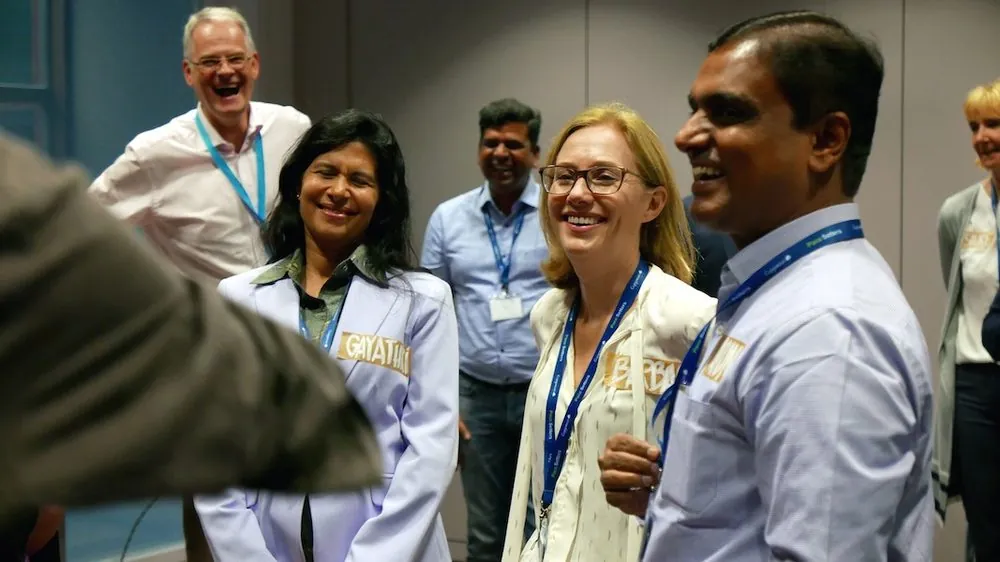
In addition to working with their own teams, coordinators and department managers came together for development sessions. These sessions focused on personal growth, “ Team development ,” and integrated leadership: how can we support one another in our roles and responsibilities, and how can we ensure consistency in management?
This led to clearer role alignment, better collaboration, and shared responsibility for Team development.
One language that provides direction
The " Teamenergy" approach gave managers a common language to discuss team dynamics and collaboration. Issues that had previously remained beneath the surface could now be identified and addressed directly.
Patterns became recognizable, and Interventions more concrete. Managers gained a firmer foundation for providing goal-oriented guidance to their teams.
Insight that leads to independent action
The approach was explicitly practice-oriented. Managers worked on their own challenges and applied the insights they gained immediately.
This boosted confidence in actively facilitating team processes, addressing tensions in a timely manner, and strengthening Ownership . Coordinators and managers concluded the session with concrete team development plans that will enable them to move forward independently.
Teamenergy as a compass
The municipality recognized how important strong teams are for the entire organization. That is why “ Team development ” is now part of every manager’s responsibilities.
This way, departments work together more effectively, and residents notice the difference, too.
“The ‘ Teamenergy ’ approach gave us, as leaders, a common language and concrete tools to make our teams visibly stronger.”

Do you recognize this in your community?
Perform better while having more fun,
now for truly every team.
You can see what’s putting pressure on your team’s performance, and the team takes care of it on its own. A follow-up assessment after 4 months will show whether the team is making progress.
- Anonymous at the team level
- Data remains within the EU
- Used by more than 700 teams